
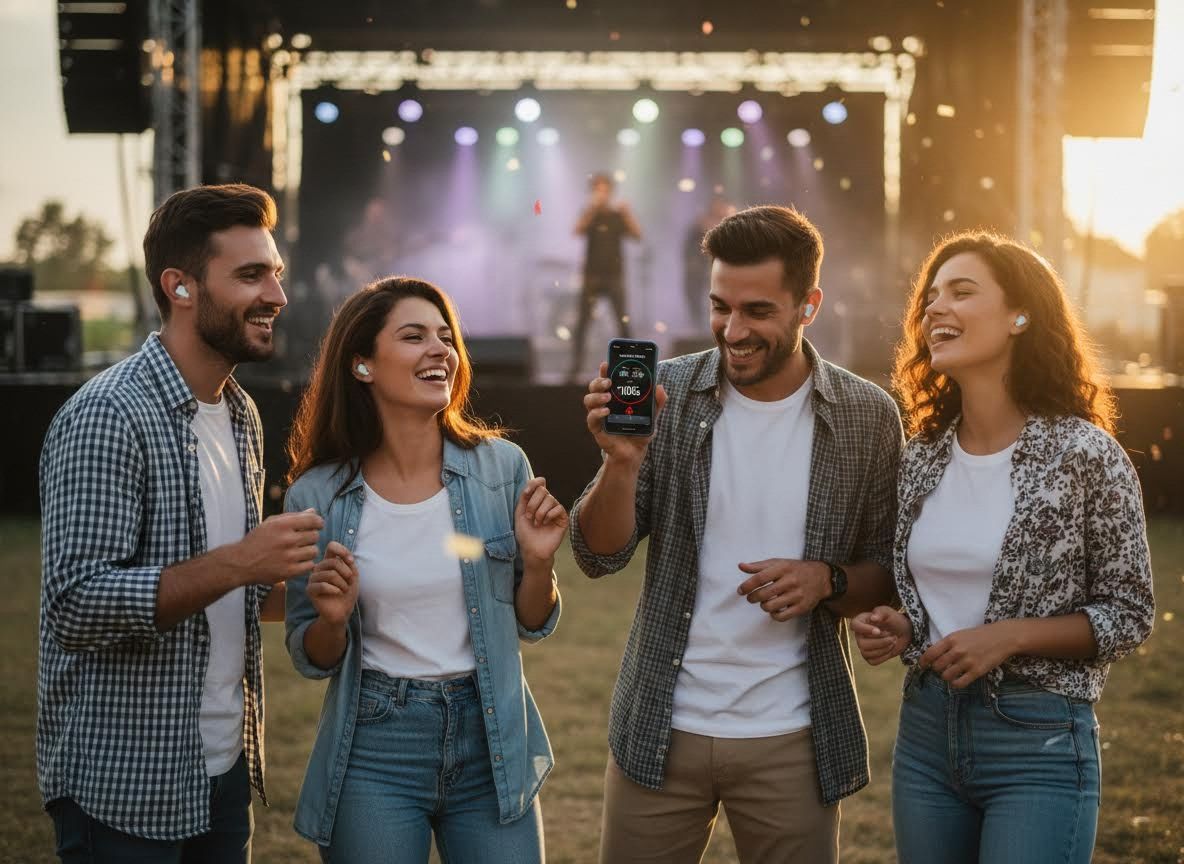
Concerts are a fantastic way to experience live music and connect with your favorite artists. However, the loud noise levels can pose a significant risk to your hearing. Prolonged exposure to high decibels can lead to noise-induced hearing loss and tinnitus, which can have long-term effects on your quality of life. Fortunately, with the right precautions, you can protect your ears and continue enjoying live music for years to come.
Why Hearing Protection Matters
Attending concerts without hearing protection is like stepping into a construction site without a hard hat. The sound levels at concerts often exceed 100 decibels, which is far beyond the safe threshold recommended by audiologists. Over time, this can damage the delicate hair cells in your inner ear, leading to irreversible hearing loss. Hearing protection acts as a barrier, reducing the intensity of the sound waves that reach your ears.
Types of Hearing Protection
Foam Earplugs
These are the most common and affordable types of hearing protection. Foam earplugs are typically made of soft, pliable material that can be easily compressed and inserted into the ear canal. They provide decent noise reduction, usually around 20-30 decibels, making them suitable for most concert settings.
Musician's Earplugs
Designed specifically for musicians and concert-goers, musicians' earplugs offer a more balanced and natural sound reduction. Unlike foam earplugs that muffle the sound, musicians' earplugs use filters to reduce the volume evenly across all frequencies. This allows you to hear the music clearly while still protecting your ears.
Custom-Molded Earplugs
For the ultimate in comfort and protection, consider investing in custom-molded earplugs. These earplugs are made from impressions of your ear canals, ensuring a perfect fit and maximum noise reduction. Custom-molded earplugs can provide up to 30 decibels of noise reduction and are ideal for frequent concert-goers or musicians.
Tips for Using Hearing Protection
Insert earplugs properly: Follow the instructions on the packaging to ensure a snug fit.
Wear earplugs consistently: It's important to wear hearing protection throughout the entire concert, even during quieter moments.
Take breaks: If possible, step outside the venue periodically to give your ears a rest.
Monitor sound levels: Use a sound level meter app on your smartphone to get an idea of the noise levels at the concert. This can help you determine if your hearing protection is adequate.
Protecting your hearing at concerts is an investment in your long-term well-being. By taking the necessary precautions, you can continue enjoying live music without risking permanent damage to your ears. If you're concerned about your hearing health, schedule a hearing exam with United Hearing Centers to get your hearing tested by a hearing aid specialist and explore personalized solutions like hearing aids if needed. Remember, at United Hearing Centers, we're dedicated to helping you protect and preserve your hearing for a lifetime of musical enjoyment. Contact us today to learn more about our services and how we can help you maintain optimal hearing health.